Orange Peel vs. Knockdown vs. Skip Trowel vs. Smooth: Which Drywall Texture Is Right for Your Utah Home?
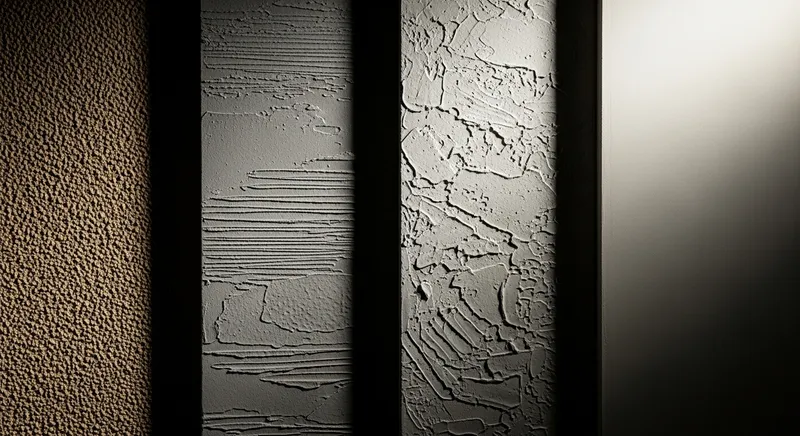
Quick Answer: Orange peel is Utah's most common and most affordable wall texture; knockdown adds a flattened, mottled look popular in newer builds; skip trowel gives a hand-applied, old-world finish that costs more; and smooth (Level 5) is the premium modern choice that shows craftsmanship — and flaws — the most. Sprayed textures cost the least to apply; hand-applied skip trowel and smooth Level 5 finishes cost the most because of the labor involved.
What Are the Main Drywall Texture Types?
Nearly every home along the Wasatch Front has one of four finishes on its walls and ceilings:
| Texture | Look | Application | Relative Cost |
|---|---|---|---|
| Orange peel | Fine, splattered, slightly bumpy | Sprayed | $ |
| Knockdown | Sprayed then flattened, mottled | Sprayed + troweled | $ |
| Skip trowel | Hand-applied, irregular, artisan | Hand troweled | $$ |
| Smooth (Level 5) | Perfectly flat, modern | Full skim coat | $$ |
All four start with the same foundation: hung board, taped seams, and three coats of joint compound. The texture is the final coat that defines how the wall looks and how well it hides imperfections. Our drywall services team applies and matches all of them daily.
What Is Orange Peel Texture and Why Is It Everywhere in Utah?
Orange peel is a fine spray-applied splatter that dries into a surface resembling citrus skin. It became the default in Utah tract construction because it's fast, affordable, and forgiving — the light pattern hides minor taping imperfections and takes paint evenly. If your home was built between the 1980s and today anywhere from Ogden to Herriman, odds are your walls are orange peel. It's the least expensive texture to apply and the easiest to match during repairs.
What Is Knockdown Texture and When Should You Choose It?
Knockdown starts as a heavier sprayed splatter that is then "knocked down" with a wide trowel while still wet, flattening the peaks into a mottled, stucco-like pattern. It reads more custom than orange peel and hides imperfections even better, which makes it a favorite for ceilings — including ceilings refinished after popcorn ceiling removal. It costs slightly more than orange peel because of the extra troweling step. Knockdown is a smart choice for basements and high-traffic family spaces; we apply it constantly in basement finishing projects across Davis and Salt Lake County.
What Is Skip Trowel and Why Does It Cost More?
Skip trowel is applied entirely by hand: a finisher loads a curved trowel with mud and "skips" it across the surface, leaving irregular, layered patches with smooth valleys between them. No two walls come out identical, which is exactly the appeal — it has an old-world, Mediterranean character you'll see in custom homes around Park City and the east bench. Because it's slow, skill-dependent handwork, skip trowel costs meaningfully more than sprayed textures. It's also the hardest to match, so hire a finisher with real hand-texture experience for repairs.
What Is a Smooth Level 5 Finish and Is It Worth It?
Smooth walls are not simply "no texture" — they're the most labor-intensive finish there is. A true Level 5 finish adds a full skim coat of compound over the entire surface, sanded to dead flat, so the wall shows no seams, no fastener shadows, and no roller texture under harsh light. It's the standard for modern high-end builds, gloss paint, and big-window rooms where raking sunlight would expose every flaw. Expect it to be the most expensive option; our post on what a Level 5 finish is covers the details, and our installation cost guide shows how finish level moves the total price.
Which Texture Hides Imperfections Best?
Knockdown and skip trowel hide the most, orange peel hides a moderate amount, and smooth hides nothing. That's the practical trade-off: the more visual interest a texture has, the more forgiving it is of framing quirks, settling movement, and future patches. In older Salt Lake City homes where walls have a century of movement in them, a textured finish is often the pragmatic choice; in a new custom build with flat framing, smooth walls show off the craftsmanship.
Can You Change from One Texture to Another?
Yes. The most common conversions we do are popcorn ceilings to knockdown or smooth, and orange peel walls to smooth Level 5 for a modern remodel. Going from textured to smooth requires skim-coating the entire surface — essentially applying a Level 5 finish over the old texture — so it's priced like premium new finishing. Going the other direction (adding texture over smooth) is far cheaper. Either way, the transition is routine work during home remodels, whether that's a remodel in Salt Lake City or a basement finish in Sandy.
How Do You Match an Existing Texture After a Repair?
Matching is a hand skill: the finisher identifies the pattern, thins the mud to the original consistency, and replicates the applicator — spray hopper for orange peel and knockdown, trowel for skip trowel — feathering the new texture into the old so there's no visible boundary. It's the difference between a repair that disappears and one you see every time you walk past. We break down the full process in how pros match drywall texture, and if you're weighing a bigger fix, start with repair vs. replacement.
Get Expert Texture Work Anywhere in Northern Utah
Drywall Techs applies and matches every texture in this guide across Salt Lake, Davis, Weber, and Summit counties. **Request a free estimate** or call (801) 791-9053 — we'll bring sample boards so you can see each finish before you commit.
Frequently Asked Questions
What is the most popular drywall texture in Utah?
Orange peel is the most common texture in Utah homes built from the 1980s onward. It's sprayed on quickly, hides minor imperfections, takes paint evenly, and is the most affordable texture to apply and repair.
How much does drywall texture cost?
It depends on the texture style, the square footage, ceiling height, and whether existing texture has to be matched or removed. Sprayed orange peel is the least expensive, knockdown costs slightly more, skip trowel is premium handwork, and a smooth Level 5 skim coat is the most expensive finish. Call (801) 791-9053 or use the contact form for a free written estimate.
What's the difference between orange peel and knockdown texture?
Both start as a sprayed splatter, but knockdown is flattened with a trowel while wet, creating a mottled, stucco-like pattern. Orange peel stays as a fine, even bumpiness. Knockdown looks more custom and hides imperfections better.
Can you remove texture and make walls smooth?
Yes. Converting textured walls to smooth requires skim-coating the entire surface with joint compound and sanding it flat — essentially a Level 5 finish. It's routine work during remodels but priced like premium finishing because of the labor involved.
Which drywall texture hides wall imperfections best?
Knockdown and skip trowel hide the most because their irregular patterns break up light. Orange peel hides moderate flaws. Smooth Level 5 walls hide nothing, which is why they require a full skim coat and careful sanding.
Can a repair patch match my existing texture exactly?
Yes, in skilled hands. A finisher replicates the original pattern, mud consistency, and application method, then feathers the new texture into the old. Orange peel and knockdown match reliably; skip trowel takes the most experience.