Finish vs Rough Carpentry: Everything Homeowners Should Know
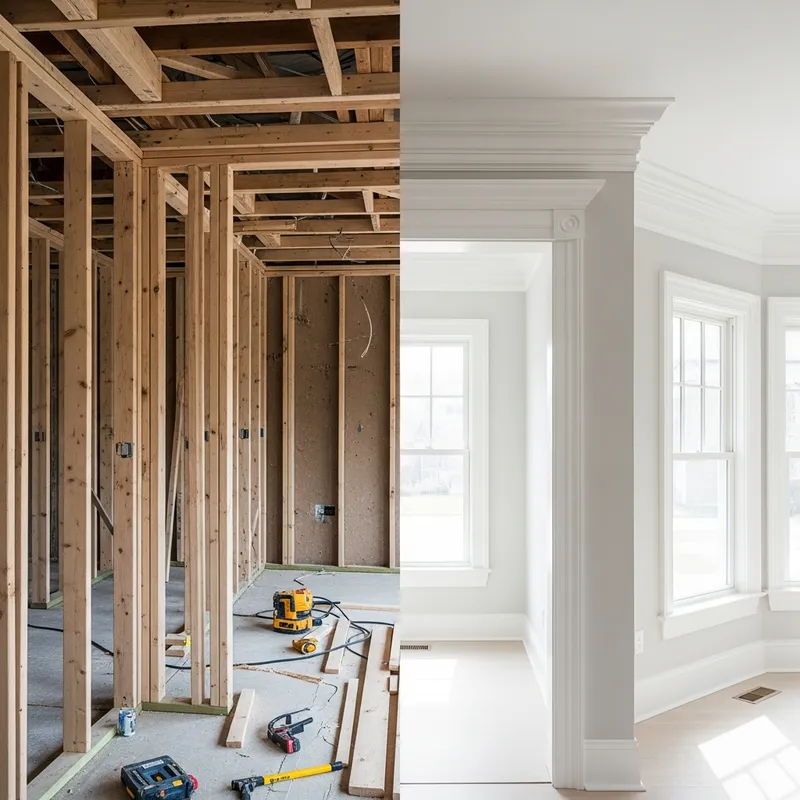
When planning a home renovation or construction project, many homeowners hear the terms rough carpentry vs finish carpentry and wonder what the difference actually is. While both are essential parts of building and remodeling, they serve very different purposes. Understanding how each type of carpentry works can help you choose the right contractor, budget properly, and get better results for your project.
In simple terms, rough carpentry focuses on the structural framework of a building, while finish carpentry handles the detailed, visible elements that improve appearance and functionality. Whether you're remodeling a basement, building a new home, or upgrading interior trim, knowing the difference between finish vs rough carpentry can save time and money.
What Is Rough Carpentry?
Rough carpentry refers to the structural work that forms the framework of a building. This phase happens early in construction before drywall, paint, flooring, or decorative finishes are installed.
Rough carpenters focus on strength, stability, and functionality rather than appearance. Their work is usually hidden behind walls and ceilings once the project is complete. According to the U.S. Bureau of Labor Statistics, carpenters who specialize in framing and structural work are essential to nearly every residential construction project.
Common Rough Carpentry Services
Rough carpentry may include:
- Wall framing
- Roof framing
- Floor joists
- Subfloor installation
- Structural supports
- Stair framing
- Window and door framing
- Deck framing
- Wood blocking and backing
These components create the "skeleton" of the structure.
Tools Used in Rough Carpentry
Rough carpenters commonly use:
- Circular saws
- Nail guns
- Framing hammers
- Levels
- Chalk lines
- Power drills
The focus is on speed, durability, and accurate measurements rather than polished finishes.
What Is Finish Carpentry?
So, what is finish carpentry exactly?
Finish carpentry is the final stage of carpentry work that focuses on the visible details inside a home or commercial space. This type of carpentry enhances the overall appearance and adds style, elegance, and value to a property.
Unlike rough carpentry, finish carpentry requires precision and craftsmanship because the finished work remains visible.
Common Finish Carpentry Services
Finish carpentry often includes:
- Crown molding installation
- Baseboards
- Door casings
- Window trim
- Interior doors
- Wainscoting
- Custom shelving
- Cabinets
- Stair railings
- Decorative woodwork
The goal is to create clean lines, seamless joints, and a polished appearance.
Why Finish Carpentry Matters
Professional finish carpentry can:
- Improve home value
- Enhance interior design
- Create a more finished look
- Hide gaps and transitions
- Add architectural detail
Poor finish carpentry is often easy to spot, while quality craftsmanship makes a home feel more refined and complete.
Rough Carpentry vs Finish Carpentry: Key Differences
Understanding rough carpentry vs finish carpentry becomes easier when you compare their goals, materials, and techniques side by side.
| Category | Rough Carpentry | Finish Carpentry |
|---|---|---|
| Purpose | Structural support and stability | Visual appearance and details |
| Visibility | Hidden behind walls and ceilings | Fully visible after completion |
| Stage | Early construction phase | Final construction phase |
| Precision | Functional accuracy | High-detail craftsmanship |
| Materials | Framing lumber, structural wood | Trim, molding, decorative wood |
| Main Focus | Strength and durability | Style and aesthetics |
Purpose
Rough carpentry focuses on structural support and building stability. Finish carpentry focuses on visual appearance and decorative details.
Visibility
Rough carpentry is usually hidden behind walls, ceilings, and flooring. Finish carpentry remains fully visible after construction is complete.
Stage of Construction
Rough carpentry happens during the early phase of construction. Finish carpentry is completed during the final stage of the project.
Precision Level
Rough carpentry prioritizes functional accuracy and structural integrity. Finish carpentry requires high-detail precision and clean craftsmanship.
Materials Used
Rough carpentry commonly uses framing lumber and structural wood materials. Finish carpentry uses decorative wood materials, trim, molding, and detailed finishes.
Main Focus
Rough carpentry is centered on strength, durability, and support. Finish carpentry is focused on style, aesthetics, and polished interior details.
While rough carpentry lays the foundation, finish carpentry brings the project to life visually.
When Do You Need Rough Carpentry?
You'll typically need rough carpentry for:
New Home Construction
Framing walls, roofs, and floors is essential before any finishing work begins.
Home Additions
Expanding a kitchen, garage, or living room requires new structural framing, often paired with complete remodels.
Basement Finishing
Basements often require framing before insulation and drywall installation.
Structural Repairs
Damaged framing from water, pests, or settling may require replacement.
Deck & Outdoor Structures
Deck framing and pergola construction usually begin with rough carpentry work.
If your project changes the structure or layout of a space, rough carpentry is likely required.
When Do You Need Finish Carpentry?
Finish carpentry is ideal when your project focuses on interior aesthetics and detail work.
Interior Remodeling
Kitchen, bathroom, and living room renovations often involve trim and molding upgrades, frequently combined with fresh interior painting.
New Construction Finishing
After drywall and paint are complete, finish carpenters install trim and decorative details.
Home Value Improvements
Adding crown molding or upgraded baseboards can significantly improve visual appeal.
Custom Interior Features
Built-in shelves, custom woodwork, and decorative trim all fall under finish carpentry.
Door & Window Upgrades
Installing stylish casings and trim helps create a polished appearance.
Finish vs Rough Carpentry: Which Is More Important?
The truth is both are important because they serve different functions.
Without rough carpentry, a structure wouldn't be stable or safe. Without finish carpentry, the home may feel incomplete or visually unappealing.
Think of it this way:
- Rough carpentry creates the structure
- Finish carpentry creates the final look
Most construction and remodeling projects require both at different stages.
Can One Contractor Handle Both?
Some general contractors provide both rough and finish carpentry services, while others specialize in one area.
Hiring a company that understands both phases can help ensure:
- Better project coordination
- Faster timelines
- Consistent workmanship
- Improved communication
For homeowners in Northern Utah, Drywall Techs & General Contracting offers professional finish carpentry services, including expert trim work, crown molding, baseboards, and door casings. Their team helps homeowners achieve a clean, polished look that complements any remodeling project.
Signs You Need Professional Finish Carpentry
Many homeowners attempt DIY trim work only to discover how difficult precision carpentry can be.
You may need professional finish carpentry if you notice:
- Uneven trim gaps
- Poorly aligned moldings
- Visible nail holes
- Crooked baseboards
- Loose door casings
- Inconsistent corners
Professional finish carpenters have the tools and experience to create seamless results.
How Finish Carpentry Improves Home Value
High-quality finish carpentry can make a major difference in how buyers perceive a home. Industry research from the National Association of Home Builders consistently shows that quality interior detailing influences buyer perception and resale pricing.
Benefits Include
- More luxurious appearance
- Better architectural character
- Higher resale appeal
- Cleaner room transitions
- Enhanced interior aesthetics
Even simple upgrades like modern baseboards or crown molding can elevate an ordinary room.
Materials Used in Finish Carpentry
Finish carpenters work with a variety of materials depending on the project and budget.
Common Materials
- Pine
- MDF
- Oak
- Maple
- Poplar
- Hardwood trim
- Engineered wood
The right material depends on:
- Paint or stain preference
- Moisture exposure
- Durability needs
- Budget
- Design style
Common Mistakes Homeowners Make
When comparing rough carpentry vs finish carpentry, many homeowners underestimate the importance of finishing details.
Choosing the Cheapest Bid
Low-cost trim work often leads to visible imperfections.
Ignoring Material Quality
Cheap materials may warp, crack, or damage easily.
DIY Without Experience
Finish carpentry requires precision cuts and proper installation techniques.
Rushing the Final Phase
Poor finishing work can reduce the visual quality of the entire renovation.
Why Professional Finish Carpentry Matters
A professional finish carpenter pays attention to:
- Precise measurements
- Smooth transitions
- Tight joints
- Consistent spacing
- Clean edges
- Proper alignment
These details create a polished, high-end appearance that DIY work often struggles to achieve.
For homeowners in Northern Utah looking for reliable trim installation and detailed craftsmanship, Drywall Techs & General Contracting provides expert finish carpentry services tailored to residential remodeling projects across Salt Lake City, Sandy, Draper, and surrounding areas.
Frequently Asked Questions
What is the difference between rough carpentry and finish carpentry?
Rough carpentry focuses on structural framing and support, while finish carpentry handles decorative and visible woodwork like trim and molding.
What is finish carpentry used for?
Finish carpentry is used for detailed interior work such as crown molding, baseboards, door casings, cabinets, and decorative trim.
Which comes first: rough carpentry or finish carpentry?
Rough carpentry always comes first because the structure must be completed before finishing details are added.
Is finish carpentry more expensive?
Finish carpentry can cost more per hour because it requires precision, craftsmanship, and attention to detail.
Can finish carpentry increase home value?
Yes. Quality trim work and decorative carpentry can improve aesthetics and make a home more appealing to buyers.
Get a Free Carpentry Quote in Northern Utah
Ready to start your carpentry project? Whether you need structural framing or detailed finish carpentry, the team at Drywall Techs & General Contracting is here to help.
**Contact us today for a free quote** or call (801) 791-9053 to discuss your project. We serve homeowners across Northern Utah with professional craftsmanship and reliable results.
Frequently Asked Questions
What is the difference between rough carpentry and finish carpentry?
Rough carpentry focuses on structural framing and support, while finish carpentry handles decorative and visible woodwork like trim and molding.
What is finish carpentry used for?
Finish carpentry is used for detailed interior work such as crown molding, baseboards, door casings, cabinets, and decorative trim.
Which comes first: rough carpentry or finish carpentry?
Rough carpentry always comes first because the structure must be completed before finishing details are added.
Is finish carpentry more expensive?
Finish carpentry can cost more per hour because it requires precision, craftsmanship, and attention to detail.
Can finish carpentry increase home value?
Yes. Quality trim work and decorative carpentry can improve aesthetics and make a home more appealing to buyers.