Beginner's Guide to Soundproofing a Room
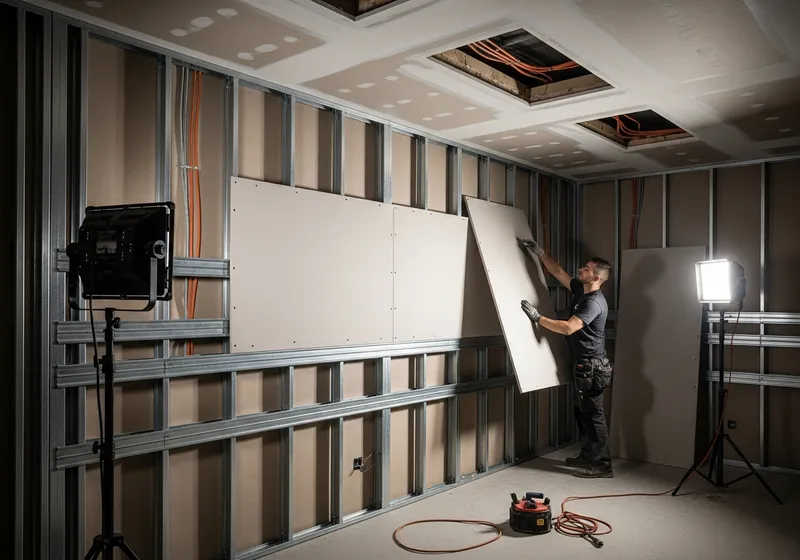
Whether you're dealing with noisy neighbors, street traffic along I-15, or a booming home theater that rattles the walls, learning how to soundproof a room can make a huge difference in your daily comfort. The good news is that soundproofing a room doesn't always require tearing down walls — there are practical solutions for every budget.
This guide walks you through everything from quick DIY fixes to professional-grade methods so you can create a quieter, more peaceful space in your Utah home.
What Is Soundproofing and How Does It Work?
Soundproofing is the process of reducing or blocking sound from traveling between spaces. Sound travels as vibrations through air and solid materials like walls, floors, and ceilings. Effective soundproofing works by doing one or more of the following:
- Absorbing sound waves with soft, dense materials
- Blocking sound transmission by adding mass to walls, floors, or ceilings
- Decoupling surfaces so vibrations can't pass directly through the structure
- Damping vibrations within walls using specialized compounds
The key measurement for soundproofing effectiveness is the STC (Sound Transmission Class) rating. A standard interior wall has an STC rating around 33 — meaning you can hear normal conversation through it. A well-soundproofed wall reaches STC 50 or higher, where loud speech is barely audible.
| STC Rating | What You Can Hear |
|---|---|
| 25-30 | Normal speech clearly understood |
| 30-35 | Loud speech understood fairly well |
| 35-40 | Loud speech heard but not understood |
| 40-50 | Loud speech heard as a murmur |
| 50-60 | Loud sounds barely heard |
| 60+ | Superior soundproofing — most sounds blocked |
Best Way to Soundproof a Room
The best way to soundproof a room depends on where the noise is coming from and how much reduction you need. Here's an overview of the most effective strategies.
Sealing Gaps and Cracks
Sound sneaks through even the smallest openings. Gaps around doors, windows, electrical outlets, and baseboards are some of the biggest culprits. Sealing these gaps is the easiest and most affordable first step in soundproofing a room.
Adding Mass to Walls
Thin walls let sound pass through easily. Adding mass — through extra layers of drywall, mass-loaded vinyl (MLV), or specialized soundproof drywall like QuietRock — makes it much harder for sound waves to vibrate through.
Using Soundproofing Materials
Materials like soundproofing insulation (mineral wool or fiberglass batts), acoustic caulk, and resilient channels each play a role in blocking and absorbing sound. Combining multiple materials delivers the best results.
Treating Doors, Windows, and Floors
These are often the weakest links in any room's sound barrier. Hollow-core doors, single-pane windows, and hard flooring all allow sound to travel freely. Upgrading or treating these areas can dramatically reduce noise.
Step-by-Step Guide: How to Soundproof a Room
Here's a practical, step-by-step approach to soundproofing a room — starting with the easiest wins and building up to more involved projects.
Seal Gaps and Air Leaks
Before anything else, find and seal every gap where sound can leak through. This single step can reduce noticeable noise by 10-15%.
- Weatherstripping doors and windows: Apply self-adhesive weatherstripping around door frames and window sashes to create a tight seal
- Door sweeps: Install a door sweep at the bottom of any door facing a noisy area — the gap under most doors is a major sound leak
- Acoustic sealant for cracks: Use acoustic caulk (not regular caulk) around electrical outlets, baseboards, and any visible cracks in walls or ceilings. Acoustic sealant stays flexible and maintains its seal over time
Add Soundproofing Insulation
Soundproofing insulation is one of the most effective ways to reduce noise transmission through walls and ceilings. It works by filling the cavity inside walls with dense, sound-absorbing material that disrupts sound waves.
Common soundproofing insulation materials include:
- Mineral wool (Rockwool): Dense and excellent at absorbing sound. Rockwool Safe'n'Sound is specifically designed for soundproofing and offers an STC improvement of 5-8 points
- Fiberglass batts: More affordable than mineral wool and still effective. Standard fiberglass insulation provides moderate sound absorption
For the best results, soundproofing insulation should fill the entire wall cavity without being compressed. Compressed insulation loses its effectiveness. If your walls are already closed up, blown-in insulation can be added through small holes without major demolition.
Install Acoustic Panels or Foam
Acoustic panels and foam reduce echo and improve sound quality within a room. While they don't block sound from passing through walls, they're effective at reducing reverberation and making a room sound cleaner.
Best placement locations:
- On walls directly across from the sound source
- At the first reflection points on side walls
- On ceilings in rooms with hard floors
- Behind speakers or TV setups in home theaters
Acoustic panels come in a range of styles, from functional studio foam to decorative fabric-wrapped panels that blend with your home decor.
Use Heavy Curtains or Soundproof Curtains
Soundproof curtains are a budget-friendly solution for blocking noise through windows. They use multiple layers of dense fabric to absorb and block sound waves.
- Look for curtains with a mass of at least 1 lb for every square foot
- Hang them as close to the window frame as possible
- Choose curtains that extend beyond the window frame on all sides to minimize sound flanking around the edges
While soundproof curtains won't match the performance of double-glazed windows, they can reduce noticeable noise by 5-10 decibels — enough to take the edge off traffic noise or neighborhood sounds.
Add Rugs, Carpets, and Floor Padding
Hard floors like hardwood, tile, and laminate reflect sound and allow vibrations to travel between levels. Adding rugs, carpets, or floor padding helps in two ways:
- Reduces sound reflection within the room, cutting down on echo
- Dampens impact vibration so footsteps and dropped items don't transmit to rooms below
For maximum effect, use thick rugs with dense padding underneath. In apartments or multi-story homes in Utah, this is often the simplest way to reduce complaints from downstairs neighbors.
Reinforce Doors and Windows
Doors and windows are typically the weakest points for sound in any room.
Solid-core doors: Replacing a hollow-core interior door with a solid-core door can improve the STC rating by 10-15 points. This is one of the highest-impact single upgrades you can make.
Window inserts or double glazing: Window inserts are clear acrylic or glass panels that press-fit inside your existing window frame, creating a dead-air gap that blocks sound. Double-glazed (dual-pane) windows offer even better performance. For homes near busy roads like I-15 or I-80 in the Salt Lake Valley, upgraded windows can make a dramatic difference.
How Much Will It Cost to Soundproof a Room in Utah?
One of the most common questions homeowners ask is how much will it cost to soundproof a room. The answer depends on the methods you choose, the size of the space, and whether the walls are open or already finished. Here's how the common methods compare:
| Soundproofing Method | Effectiveness |
|---|---|
| Weatherstripping & door sweeps | Low — seals air gaps |
| Acoustic caulk / sealant | Low — seals small cracks |
| Soundproof curtains | Low to moderate |
| Rugs with dense padding | Moderate — reduces floor noise |
| Acoustic panels / foam | Moderate — reduces echo |
| Soundproofing insulation (Rockwool) | High — fills wall cavities |
| Mass-loaded vinyl (MLV) | High — adds wall mass |
| Extra layer of drywall | High — adds mass |
| Soundproof drywall (QuietRock) | Very high — purpose-built |
| Solid-core door replacement | High — blocks door noise |
| Resilient channels + new drywall | Very high — decouples walls |
| Window inserts | High — blocks window noise |
| Full professional soundproofing | Highest — complete solution |
What drives the cost up or down:
- Room size — more wall and ceiling area means more material and labor.
- Open vs. finished walls — adding insulation or resilient channels is far simpler when the walls are already open. Finished walls may need to come down or get a second layer.
- How many surfaces you treat — one shared wall costs less than treating every wall, the ceiling, and the floor.
- Materials — purpose-built soundproof drywall and mass-loaded vinyl cost more than standard board and fiberglass batts.
- Doors and windows — replacing hollow-core doors or adding window inserts adds to the total, but they're often the weakest link.
- Finishing — new drywall has to be taped, textured to match, and painted.
Low-cost approach: Seal gaps, add door sweeps, hang soundproof curtains, and lay down thick rugs. This combination handles the most common noise complaints.
Mid-range approach: Add soundproofing insulation to open walls, replace hollow-core doors with solid-core, and install window inserts. Great for home offices and bedrooms.
Full soundproofing: Professional installation including resilient channels, soundproof drywall, soundproofing insulation, and acoustic sealant throughout. Ideal for home theaters, recording studios, and basement apartments in Salt Lake City.
For a number specific to your room, call (801) 791-9053 or use the contact form for a free written estimate.
Common Mistakes When Soundproofing a Room
Avoid these common pitfalls that waste money and deliver disappointing results:
1. Only using foam panels and expecting full soundproofing
Acoustic foam absorbs echo inside a room, but it does almost nothing to block sound from passing through walls. Foam panels alone won't stop your neighbor's music or traffic noise.
2. Ignoring gaps around doors and windows
You can add layers of expensive soundproof drywall, but if there's a half-inch gap under the door, sound will pour right through it. Always seal gaps first — it's the foundation of any soundproofing project.
3. Not addressing floors and ceilings
Sound doesn't just travel through walls. Impact noise from footsteps travels through floors, and airborne sound can pass through ceilings. A complete approach addresses all surfaces, not just the wall facing the noise source.
4. Choosing the wrong materials
Not all insulation is equal for soundproofing. Standard fiberglass insulation helps, but dense mineral wool like Rockwool performs significantly better. Similarly, regular drywall adds some mass, but soundproof drywall like QuietRock is engineered specifically for noise reduction.
Consider Professional Soundproofing
While DIY methods work well for moderate noise problems, some situations call for professional expertise. If you're dealing with serious noise issues — a basement apartment that needs to meet building codes, a home theater that shakes the house, or shared walls in a Salt Lake City condo — a professional installation delivers results that DIY simply can't match.
Professional soundproofing services typically include:
- Acoustic assessment to identify where sound is entering the room
- Resilient channel or sound clip installation to decouple walls and ceilings
- Soundproof drywall installation with proper sealing
- Soundproofing insulation in wall and ceiling cavities
- Complete air-gap sealing with acoustic caulk
At Drywall Techs, our team handles professional soundproofing projects throughout Northern Utah, including Salt Lake City, Sandy, Draper, West Jordan, Park City, and Bountiful. We also provide complete drywall services if your soundproofing project involves opening up or rebuilding walls.
Ready to create a quieter space? Contact us for a free soundproofing estimate or call (801) 791-9053 to discuss your project.
Frequently Asked Questions
How to soundproof a room cheaply?
The most affordable ways to soundproof a room include sealing gaps around doors and windows with weatherstripping and acoustic caulk, hanging heavy soundproof curtains, adding thick rugs with dense padding, and installing a door sweep. These budget-friendly methods can noticeably reduce noise without opening up any walls.
Does soundproofing insulation really work?
Yes, soundproofing insulation like mineral wool (Rockwool) or fiberglass batts significantly reduces noise transmission through walls and ceilings. Mineral wool is especially effective, improving STC ratings by 5-8 points. For best results, the insulation should completely fill the wall cavity without being compressed.
How much will it cost to soundproof a room in Utah?
It depends on the room size, whether the walls are open or finished, how many surfaces you treat, and the materials used. Basic DIY fixes (sealing gaps, curtains, rugs) cost the least; insulation, solid-core doors, and window inserts sit in the middle; full professional soundproofing with resilient channels, soundproof drywall, and acoustic insulation costs the most. Call (801) 791-9053 or use the contact form for a free written estimate.
What is the best way to soundproof a room?
The best way to soundproof a room is to combine multiple methods: seal all gaps and air leaks first, add soundproofing insulation inside walls, install resilient channels to decouple the wall surfaces, and finish with soundproof drywall. This layered approach addresses sound transmission at every point.
Do acoustic panels block sound from coming through walls?
No, acoustic panels and foam primarily reduce echo and reverberation inside a room. They do not block sound from passing through walls. To block sound transmission, you need to add mass (extra drywall or mass-loaded vinyl), insulation, or decouple the wall surfaces with resilient channels.
What STC rating do I need for a quiet room?
For most residential rooms, an STC rating of 40-50 provides good sound isolation where loud speech is heard only as a murmur. Home theaters and recording studios should aim for STC 50-60 or higher. A standard interior wall without soundproofing has an STC rating of about 33.
Can I soundproof a room without removing drywall?
Yes, you can add soundproofing without removing existing drywall. Options include adding a second layer of drywall with Green Glue damping compound, applying mass-loaded vinyl over the existing wall, sealing gaps with acoustic caulk, and upgrading doors and windows. These methods are less disruptive than a full wall rebuild.
Is it worth soundproofing a basement apartment in Utah?
Absolutely. Basement apartments in Salt Lake City and throughout Utah often have noise issues between floors. Soundproofing the ceiling with resilient channels, insulation, and an extra layer of drywall can significantly reduce footstep noise and voices from above, making the space more livable and increasing rental value.
What's the difference between soundproofing and sound absorption?
Soundproofing blocks sound from passing between rooms by adding mass, insulation, and decoupling surfaces. Sound absorption reduces echo and reverberation within a room using soft materials like acoustic panels and foam. A complete approach often uses both — soundproofing to block outside noise and absorption to improve sound quality inside.
Should I hire a professional for soundproofing?
For moderate noise issues, DIY methods like sealing gaps, adding curtains, and laying rugs can be effective. However, for serious noise problems — home theaters, basement apartments, shared condo walls, or rooms near busy Utah highways — professional soundproofing with resilient channels, soundproof drywall, and proper insulation delivers significantly better results.