When Is the Best Time of Year to Paint Your Home in Utah?
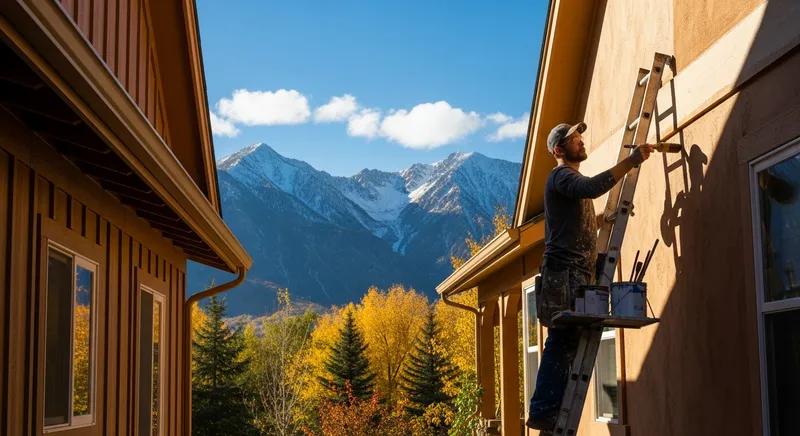
Quick Answer: The best time to paint your house exterior in Utah is late May through early October, when daytime temperatures stay between 50-85°F and overnight lows stay above 50°F. Early fall (September-October) is often the single best window because of stable weather, low humidity, and minimal afternoon storms.
Choosing when to paint your home in Utah can mean the difference between a paint job that lasts 10+ years and one that fails in 2-3 years. Utah's climate has dramatic seasonal swings — from sub-zero winters to 100°F summer afternoons — so timing matters more here than in milder regions.
This complete guide breaks down the best time of year to paint a house exterior in Utah, the ideal temperature and humidity ranges, and the pros and cons of every season.
Quick Answer: Best Painting Months in Utah
| Month | Exterior Painting Rating | Notes |
|---|---|---|
| January | Poor | Too cold, snow, freeze risk |
| February | Poor | Same as January |
| March | Fair | Unpredictable weather |
| April | Good | Warming, but rain common |
| May | Excellent | Stable, mild temps |
| June | Excellent | Long days, warm |
| July | Good | Hot afternoons, monsoons |
| August | Good | Hot, dry, monsoons |
| September | Excellent | Often the best month |
| October | Excellent | Cool, stable, dry |
| November | Fair | Cold mornings, freeze risk |
| December | Poor | Too cold |
Why Weather Matters for Exterior Painting
Paint isn't just a surface coating — it's a chemical product that needs specific conditions to cure properly:
- Temperature too cold (below 50°F): Paint doesn't bond properly, causing peeling and flaking
- Temperature too hot (above 90°F): Paint dries too fast, leaving brush marks and adhesion issues
- High humidity: Slows drying and can cause finish problems
- Rain within 24 hours: Washes off uncured paint
- Direct sun on wet paint: Causes blistering and uneven drying
For comprehensive guidance on temperature and weather conditions, the EPA's resources on home maintenance and the Sherwin-Williams exterior paint application guide cover application standards in detail. NOAA's Utah climate data is helpful for tracking seasonal weather windows.
Best Months to Paint Your Utah Home Exterior
May — Excellent
- Average highs: 73°F, lows 48°F
- Pros: Stable warming weather, minimal rain, lower contractor demand than summer
- Cons: Occasional late spring storms
June — Excellent
- Average highs: 83°F, lows 56°F
- Pros: Long daylight hours, dry conditions, ideal curing temps
- Cons: Higher contractor demand, schedule further in advance
September — Often the Single Best Month
- Average highs: 78°F, lows 53°F
- Pros: Mild stable weather, low humidity, fewer storms, less contractor demand
- Cons: Days getting shorter
October — Excellent
- Average highs: 65°F, lows 41°F
- Pros: Cool mornings prevent paint from drying too fast, stable weather, beautiful working conditions
- Cons: Need to finish before first hard freeze (usually mid-late October)
Ideal Temperature and Humidity for Painting
For best results, exterior paint application in Utah needs:
| Condition | Ideal Range | Acceptable Range |
|---|---|---|
| Air temperature | 60-80°F | 50-85°F |
| Surface temperature | 60-80°F | 50-90°F |
| Humidity | 40-60% | 30-70% |
| Overnight low | Above 55°F | Above 50°F |
| Wind speed | Under 10 mph | Under 15 mph |
Pro tip: Surface temperature matters more than air temperature. South-facing walls can be 20-30°F hotter than the air on a sunny day. Painters often start on the shaded side of the house early and follow the shade throughout the day.
Spring Painting Pros and Cons (April-May)
Pros:
- Cool temps prevent paint drying too fast
- Plants haven't fully leafed out (better wall access)
- Beat the summer rush
- Good schedule availability
Cons:
- Spring storms can disrupt projects
- Cool overnight temps can extend curing
- Pollen can stick to wet paint
Summer Painting Pros and Cons (June-August)
Pros:
- Long daylight hours
- Reliably warm weather
- Quick paint drying
- Most paint manufacturers' ideal conditions
Cons:
- Peak demand means harder scheduling
- Hot afternoons (above 90°F) can ruin paint finish
- July-August monsoons bring sudden storms
- High UV exposure on fresh paint
- Contractor pricing often peaks
Fall Painting Pros and Cons (September-October)
Pros:
- Most stable weather of the year
- Low humidity = perfect curing
- Cool mornings, mild afternoons
- Lower contractor demand
- Beautiful working conditions
Cons:
- Shorter daylight hours
- Need to finish before first freeze
- Fallen leaves can stick to wet paint
Winter Painting: Why Indoor Painting Wins (November-March)
Exterior painting in Utah winter is generally not recommended. Snow, freezing temperatures, and short daylight hours create poor conditions for paint to cure.
However, winter is the ideal time for interior painting:
- Stable indoor temperatures
- No exterior weather concerns
- Lower contractor demand and pricing
- Good ventilation with heated air
- Plenty of time to plan summer exterior projects
If you're planning interior work, see our guide on interior vs exterior painting in Utah and our complete guide to painting services in Salt Lake City.
How to Schedule Your Painting Project in Northern Utah
To get the best results — and the best contractor availability — schedule your Utah exterior painting project this way:
- Book by February-March for May-June work
- Book by April-May for September-October work
- Avoid waiting until summer when most pros are 4-6 weeks out
- Get multiple quotes during off-peak winter months
Drywall Techs serves homeowners throughout Salt Lake City, Park City, Ogden, Sandy, Draper, and across Northern Utah for both interior and exterior painting services.
Final Thoughts
The best time to paint your house exterior in Utah is late spring through early fall, with September and October often being the very best window for stable weather, low humidity, and excellent paint curing conditions. Avoid the extreme heat of mid-summer afternoons and don't paint during winter freezes.
If you want to maximize your paint's lifespan, see our companion guide on how long exterior paint lasts in Utah and our breakdown of house painting costs in Salt Lake City.
Ready to schedule your project? Contact Drywall Techs & General Contracting for a free painting estimate, or call (801) 791-9053. We'll help you choose the perfect window for your home.
Frequently Asked Questions
What is the best time of year to paint a house exterior in Utah?
The best time to paint a house exterior in Utah is late May through early October, with September and October often being the single best window. These months offer stable weather, daytime temperatures between 50-85°F, low humidity, and excellent paint curing conditions.
Can you paint a house exterior in Utah winter?
Generally no. Utah winters bring freezing temperatures, snow, and short daylight hours that prevent proper paint curing. Most paints require temperatures above 50°F for at least 24-48 hours after application. Winter is much better suited for interior painting projects.
What temperature is too hot to paint outside?
Air temperatures above 85-90°F are generally too hot for exterior painting in Utah, especially with direct sun. Surface temperatures on south-facing walls can exceed 140°F, causing paint to dry too fast, leaving brush marks, and creating adhesion problems. Painters typically start on shaded walls early in the day.
Is it OK to paint a house when it's humid?
Light to moderate humidity (40-60%) is ideal for exterior painting in Utah. High humidity above 70% slows drying significantly and can cause finish problems. Utah's typically dry climate makes humidity less of a concern than in coastal regions, except during monsoon season in July and August.
How long does exterior paint take to dry in Utah?
In typical Utah weather (60-80°F, 30-50% humidity), most exterior paints are dry to the touch in 1-2 hours and ready for a second coat in 4 hours. Full cure takes 2-4 weeks. Cooler temperatures and higher humidity can extend these times significantly.
Should I paint my house in spring or fall?
Both spring and fall work well in Utah, but fall (especially September-October) is often the better choice. Fall offers more stable weather, lower humidity, fewer storms, less contractor demand, and ideal cool mornings that prevent paint from drying too fast.
How far in advance should I schedule a painting project in Utah?
For peak season work (May-October), book your Utah painting project 4-8 weeks in advance. Schedule by February-March for May-June work, and by April-May for September-October work. Off-season inquiries (winter) often get faster quotes and sometimes better pricing.
What weather conditions ruin a paint job?
Rain within 24 hours of painting can wash off uncured paint. Temperatures below 50°F or above 90°F cause adhesion and finish problems. High winds blow dust into wet paint. Direct hot sun on wet paint causes blistering. Frost overnight on freshly painted surfaces creates lasting damage.
Can you paint a house when it's going to rain?
No. You should never paint exterior surfaces if rain is expected within 24 hours of application. In Utah's monsoon season (July-August), check forecasts carefully because afternoon storms develop quickly. Most professional painters watch the radar and adjust schedules to avoid rain risk.
Is it cheaper to paint a house in winter or summer?
Winter is generally cheaper for interior painting in Utah because contractor demand is lower. Exterior painting can't typically be done in winter. For exterior projects, off-peak months like late April or late October may have slightly better pricing than peak summer months when demand is highest.